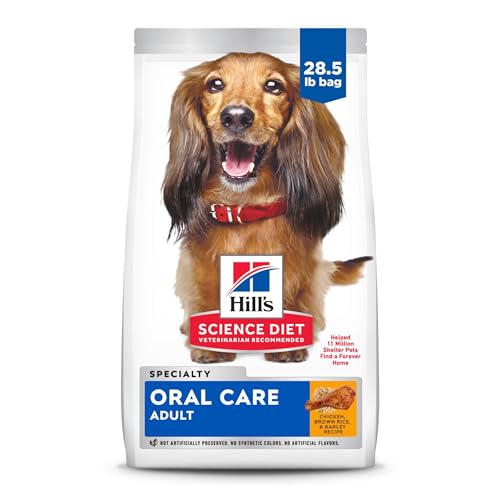
How to Choose the Right Dog Food for Your Breed


Choosing the right dog food for your breed can be overwhelming, but it’s crucial for your dog’s health. Each breed has its own nutritional needs based on factors like age, size, and activity level. By prioritizing high-quality ingredients and understanding specific dietary requirements, you can make informed decisions. However, there are additional considerations you might not have thought about yet that can significantly impact your dog’s well-being. Let’s explore those next.
Understanding Your Dog’s Nutritional Needs
How do you know what your dog really needs to thrive? Start by considering their age, size, and activity level.
Puppies require more protein and calories for growth, while seniors benefit from lighter, easily digestible foods. Your dog’s breed also plays a role; some breeds may need specific nutrients to support their unique health concerns.
Pay attention to any dietary restrictions or allergies they might have. You should also observe their energy levels, coat condition, and overall health.
These factors can guide you in choosing the right balance of proteins, fats, carbohydrates, vitamins, and minerals.
Evaluating Ingredient Quality
When it comes to dog food, ingredient quality matters significantly. You want to choose a brand that prioritizes whole, recognizable ingredients. Look for named proteins like chicken, beef, or lamb as the first ingredient, indicating a solid protein source.
Avoid foods with vague terms like “meat meal” or “by-products,” as they can be lower quality. Check for whole grains, vegetables, and healthy fats that provide essential nutrients. The fewer artificial additives and fillers, the better.
Don’t forget to read the guaranteed analysis to ensure the food meets your dog’s nutritional needs. Lastly, consider brands that are transparent about their sourcing and production processes, as this often reflects a commitment to quality and safety.
Considering Life Stage and Activity Level
Selecting the right dog food isn’t just about ingredient quality; it also involves considering your dog’s life stage and activity level.
Puppies need nutrient-dense food to support their rapid growth, while adult dogs require balanced diets to maintain energy and health. Senior dogs often benefit from lower calories and joint support.
Additionally, if your dog is highly active, like a working or sporting breed, they’ll need more calories and protein to fuel their activities. Conversely, a less active dog might require a lighter formula to prevent obesity.
Always tailor your dog’s food to fit their specific needs based on their age and lifestyle. By doing this, you’ll ensure they stay healthy and happy throughout their life.
Special Dietary Requirements for Specific Breeds
While all dogs have unique dietary needs, certain breeds may require special attention to their nutritional intake due to genetic predispositions or common health issues.
For example, large breeds like Great Danes benefit from lower-calcium diets to prevent skeletal issues, while small breeds like Chihuahuas may need higher fat content to maintain energy levels.
Dogs prone to allergies, such as Bulldogs, often do better on limited-ingredient diets.
Working breeds like Border Collies require high-protein food to support their active lifestyles.
If you own a breed with known sensitivities, consult your vet to tailor their diet appropriately.
Conclusion
Choosing the right dog food is crucial for your pup’s health and happiness. By understanding their nutritional needs, evaluating ingredient quality, and considering their life stage and activity level, you’ll make the best choice. Don’t forget to account for any breed-specific dietary requirements. Always consult your veterinarian for personalized advice to ensure your dog thrives on a diet tailored just for them. With the right food, you’ll help your furry friend live a long, active life!
Trending Products